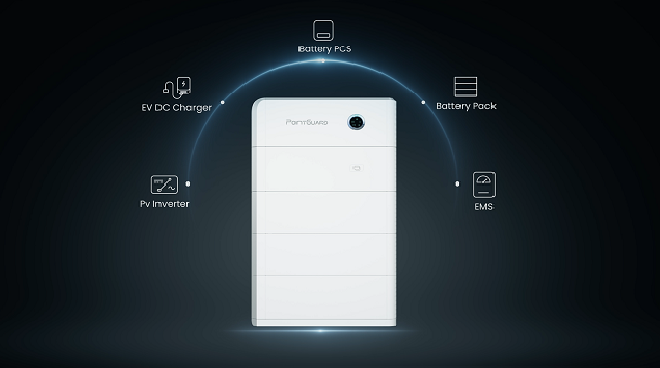
The global push for decarbonization has cemented renewable sources like solar and wind as the future of energy. However, sunlight and wind are intermittent; the energy must be captured and stored. This challenge has fueled a massive boom in the Energy Storage System (ESS) market, projected to skyrocket over the next decade. From enhancing grid stability to providing household independence, the evolution of renewable batteries is the single most critical factor in achieving a clean energy future. For those ready to optimize their home or business with this technology, Vemo Smart Energy specializes in providing comprehensive renewable energy solutions, including the very battery systems powering this transition.
The New Pillars of Energy Storage
While lithium-ion batteries remain the dominant technology, innovations are rapidly addressing limitations in cost, safety, and duration. The market is diversifying to meet varied needs, from milliseconds of grid support to multi-day storage.
Lithium Iron Phosphate (LFP)
Now the preferred chemistry for stationary storage, LFP is cheaper, safer (less prone to thermal runaway), and offers a longer cycle life than traditional nickel-based lithium chemistries. Its affordability is crucial for utility-scale projects.
Flow Batteries
These batteries store energy in external liquid electrolyte tanks, allowing power (kW) and energy (kWh) to be scaled independently. They are ideal for long-duration storage (8+ hours) and boast long lifecycles, making them key for deep grid integration.
Sodium-Ion (Na-ion)
Using abundant, low-cost sodium instead of scarce lithium, Na-ion batteries are quickly closing the performance gap. While current energy density is lower, their affordability, superior cold-weather performance, and sustainability make them a critical option for cost-sensitive energy projects.
Innovations Driving Market Growth
Technological and operational breakthroughs are accelerating the market’s trajectory, ensuring reliability and maximizing the value of stored energy:
- The Rise of BESS: Battery Energy Storage Systems (BESS) are seeing a surge, with deployments up 36% in the first nine months of 2025. These containerized systems are essential for balancing supply from intermittent solar and wind farms.
- AI and Smart Grids: Artificial Intelligence is integrating with battery management systems to predict energy demand, optimize charging/discharging cycles, and enable Virtual Power Plants (VPPs) that aggregate residential and commercial storage for collective grid stability.
- Hybrid Solutions: Combining different storage technologies, such as lithium-ion with supercapacitors or long-duration flow batteries, creates a versatile system capable of meeting both high-power and extended-duration needs simultaneously.
Integrating Your Energy Future with Vemo
The transition to a battery-backed grid is happening now, driven by government incentives (like the US Investment Tax Credit) and falling costs. As the market moves toward greater technological diversity, having a reliable partner is essential for navigating the options.